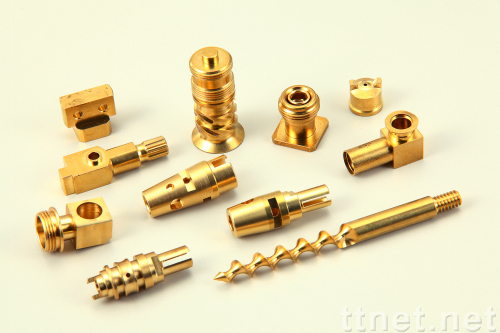
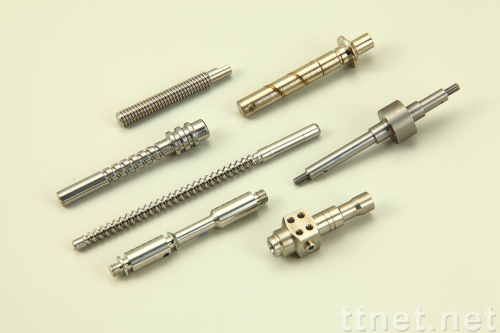
Swiss CNC machining service
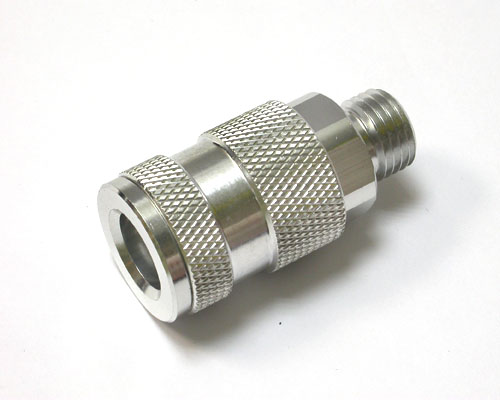 Swiss CNC Machining Service – Precision Swiss Machined Parts Manufacturer in Taiwan
Modern industries increasingly require small, complex, and highly accurate components. From automotive systems and electronics to medical equipment, aerospace applications, hydraulic systems, and industrial machinery, manufacturers need precision parts with reliable dimensions and consistent quality.
A professional Swiss CNC machining service provides an efficient manufacturing solution for producing precision components, particularly small-diameter and complex turned parts requiring excellent repeatability.
Jellom Industrial Co., Ltd. is a Taiwan-based precision machining manufacturer specializing in CNC turning parts, precision turned components, custom metal parts, and OEM CNC machining. We provide customized machining solutions according to customer drawings, materials, dimensions, tolerances, quantities, and application requirements.
What Is Swiss CNC Machining?
Swiss CNC machining, also known as Swiss-type CNC turning or Swiss screw machining, is a precision machining process designed for producing small and complex components.
One of the primary characteristics of a Swiss-type lathe is the way the workpiece is supported close to the cutting area. In a typical Swiss machining configuration, bar stock passes through a guide bushing while cutting tools operate near the point of support.
This design helps minimize workpiece deflection and makes Swiss machining particularly suitable for long, slender, and small-diameter components.
Depending on machine configuration, machining operations can include:
-
Turning
-
Facing
-
Drilling
-
Boring
-
Threading
-
Grooving
-
Cross drilling
-
Milling
-
Parting
The ability to combine multiple operations makes a Swiss CNC machining service suitable for complex precision parts used in demanding industries.
Advantages of Swiss CNC Machining
Swiss machining offers several advantages for precision component manufacturing.
High Precision and Repeatability
Because the material is supported close to the cutting area, Swiss-type machining can provide excellent dimensional control for suitable component geometries.
Computer-controlled machining also allows the same program to be repeated across production quantities, helping maintain consistent dimensions.
Ideal for Small Precision Parts
Swiss CNC machines are widely associated with manufacturing relatively small and detailed components.
Applications can include pins, shafts, connectors, fasteners, fittings, bushings, sleeves, and other miniature or precision components.
Suitable for Long and Slender Components
Conventional turning can become challenging when machining long, narrow workpieces because cutting forces may cause the material to deflect.
The guide-bushing design commonly used in Swiss machining provides support close to the cutting tool, making the process particularly effective for slender components.
Multiple Machining Operations
Modern Swiss-type CNC equipment may combine turning with drilling, milling, threading, and other operations.
This can reduce the need to transfer components between different machines.
What Parts Can Swiss CNC Machining Produce?
A Swiss CNC machining service can be used to manufacture many types of precision components.
Typical examples include:
-
Precision shafts
-
Small pins
-
Bushings
-
Sleeves
-
Spacers
-
Connectors
-
Fittings
-
Adapters
-
Fasteners
-
Threaded components
-
Valve components
-
Hydraulic components
-
Pneumatic components
-
Electronic components
-
Automotive components
-
Medical equipment parts
-
Precision machinery components
The suitability of Swiss machining depends on component geometry, dimensions, material, tolerance requirements, and production volume.
Custom Swiss CNC Machining Service
Many industrial customers require customized parts rather than standard components.
A custom Swiss CNC machining service allows components to be manufactured according to customer-specific drawings and technical requirements.
Customers can provide:
-
2D engineering drawings
-
3D CAD models
-
Material specifications
-
Dimensions
-
Tolerances
-
Thread requirements
-
Surface requirements
-
Production quantities
-
Secondary processing requirements
Engineering information can then be reviewed to determine an appropriate manufacturing approach.
This makes custom Swiss machining useful for OEM manufacturers, product developers, automotive suppliers, electronics companies, equipment manufacturers, and other industries requiring specialized precision components.
Materials for Swiss CNC Machining
Material selection affects component strength, corrosion resistance, weight, conductivity, machinability, and production cost.
Common CNC machining materials include:
Stainless Steel
Stainless steel offers excellent strength, corrosion resistance, and durability.
It is commonly used for medical equipment, automotive components, industrial machinery, valves, fittings, connectors, and precision hardware.
Aluminum
Aluminum provides low weight, good corrosion resistance, and excellent machinability.
It is frequently used for electronics, automotive components, aerospace applications, machinery, and automation equipment.
Brass
Brass provides excellent machinability and good corrosion resistance.
Common applications include fittings, connectors, valves, bushings, electrical components, and precision hardware.
Copper
Copper offers excellent electrical and thermal conductivity.
It is widely used for electronic connectors, terminals, electrical components, and specialized industrial applications.
Other metals and engineering materials may also be evaluated according to project requirements.
Swiss CNC Machining for Automotive Parts
Automotive manufacturers require precision components with reliable repeatability.
Swiss CNC machining can be suitable for small automotive components such as:
-
Precision pins
-
Shafts
-
Sensor components
-
Connectors
-
Fittings
-
Fasteners
-
Bushings
-
Valve components
Computer-controlled production helps maintain consistency across repeated manufacturing batches.
Swiss CNC Machining for Electronics
Electronic equipment often contains small and highly detailed components.
Swiss machining may be suitable for:
-
Electrical contacts
-
Connectors
-
Terminals
-
Pins
-
Threaded inserts
-
Spacers
-
Precision housings
-
Custom hardware
Brass, copper, aluminum, and stainless steel can be selected depending on mechanical and electrical requirements.
Swiss CNC Machining for Medical Equipment
Medical equipment frequently requires small, precise components.
Swiss-type machining is widely associated with precision components because it can efficiently manufacture detailed geometries from bar stock.
Possible applications include:
-
Precision pins
-
Shafts
-
Connectors
-
Instrument components
-
Fittings
-
Small mechanical components
Material, tolerance, surface, documentation, and other requirements should be clearly specified according to the intended application.
Swiss CNC Machining for Aerospace and Industrial Applications
Aerospace and industrial equipment may require small precision components capable of reliable performance in demanding operating environments.
Swiss CNC machining can be used for specialized shafts, fasteners, connectors, fittings, and other components where dimensional consistency is important.
The manufacturing method should be selected according to part geometry, material, tolerance, and functional requirements.
Prototype and Production Swiss CNC Machining
CNC machining can support different stages of product development.
Prototype components allow engineers to evaluate:
-
Dimensions
-
Assembly fit
-
Material selection
-
Functional performance
-
Design feasibility
-
Manufacturing feasibility
After the design has been verified, machining processes can be optimized for repeat production.
For larger quantities, programming, tooling, material preparation, cycle time, and inspection processes can be optimized to improve manufacturing efficiency.
Quality Control for Swiss CNC Machined Parts
Quality control is essential for precision machining.
Depending on the technical drawing, inspection may include:
-
Outside diameter
-
Inside diameter
-
Overall length
-
Hole diameter
-
Thread dimensions
-
Groove dimensions
-
Concentricity
-
Critical tolerances
-
Surface characteristics
Customers should clearly identify critical dimensions and inspection requirements when requesting a quotation.
Why Choose a Taiwan Swiss CNC Machining Service?
Taiwan has a mature precision manufacturing ecosystem supporting machine tools, metalworking, automotive components, electronics, medical equipment, fasteners, and industrial machinery.
Working with an experienced Taiwan precision machining supplier can provide international buyers with flexible customization, engineering communication, prototype support, repeat production, and OEM manufacturing capabilities.
Your Swiss CNC Machining Service Partner
When selecting a Swiss CNC machining service, customers should evaluate more than unit price.
Important factors include machining capabilities, material experience, quality control, customization flexibility, engineering support, production capacity, communication, and delivery reliability.
Jellom Industrial Co., Ltd. provides precision CNC turning and custom machining solutions according to customer drawings and specifications.
If you are looking for a Swiss CNC machining service in Taiwan, send your drawings, material specifications, tolerances, quantities, and application requirements for manufacturing evaluation and quotation.
Swiss CNC Machining Service FAQ
1. What is Swiss CNC machining?
Swiss CNC machining is a precision turning process commonly used to manufacture small, complex, and slender components.
In a typical Swiss-type machine, bar stock moves through a guide bushing that supports the workpiece close to the cutting area.
This configuration helps reduce deflection during machining and can provide excellent dimensional consistency for suitable components.
2. What is a Swiss CNC machining service?
A Swiss CNC machining service manufactures precision components using Swiss-type CNC equipment and related machining processes.
Customers normally provide engineering drawings, materials, tolerances, quantities, and other technical specifications.
The machining supplier then evaluates the component and develops an appropriate manufacturing process.
3. What is the difference between Swiss CNC machining and conventional CNC turning?
One major difference is how the workpiece is supported.
In conventional CNC turning, the workpiece is normally held by a chuck or collet while machining takes place.
In a typical Swiss-type configuration, bar stock passes through a guide bushing that supports the material close to the cutting tool.
This makes Swiss machining particularly useful for small and slender components.
4. Why is Swiss machining suitable for long, thin parts?
Long and narrow components may bend or vibrate under cutting forces.
Swiss-type machining supports the material close to the cutting area, reducing the unsupported length of the workpiece.
This can help control deflection when machining slender components.
5. What parts can Swiss CNC machining produce?
Typical components include:
-
Shafts
-
Pins
-
Bushings
-
Sleeves
-
Spacers
-
Fasteners
-
Connectors
-
Fittings
-
Adapters
-
Valve parts
-
Electronic components
-
Medical equipment components
The best manufacturing process depends on component dimensions, geometry, material, and tolerance requirements.
6. Is Swiss CNC machining only for small parts?
Swiss machining is particularly well known for small-diameter and slender components, but actual capabilities depend on the machine being used.
Part size alone should not determine the machining method.
Manufacturers should evaluate diameter, length, geometry, material, tolerance, quantity, and other requirements before selecting the production process.
7. What materials can be used for Swiss CNC machining?
Common materials include:
-
Stainless steel
-
Carbon steel
-
Alloy steel
-
Aluminum
-
Brass
-
Copper
-
Engineering materials
Different materials require different tooling, cutting speeds, feeds, and machining strategies.
8. Can stainless steel be Swiss CNC machined?
Yes.
Stainless steel is commonly used for precision components requiring strength, corrosion resistance, and durability.
Applications may include medical equipment, automotive components, industrial machinery, fittings, connectors, valves, and precision hardware.
The exact stainless steel grade should be specified on the drawing or quotation request.
9. Can aluminum be used for Swiss CNC machining?
Yes.
Aluminum provides good machinability, low weight, and corrosion resistance.
It can be used for electronic components, automotive parts, aerospace applications, automation equipment, and other precision components.
10. Can Swiss CNC machining process brass?
Yes.
Brass offers excellent machinability and is widely used for precision components.
Typical applications include:
-
Fittings
-
Connectors
-
Bushings
-
Valves
-
Fasteners
-
Electrical components
Material grade and component specifications should be provided for manufacturing evaluation.
11. Can copper be Swiss CNC machined?
Yes.
Copper can be machined into small precision components such as electrical terminals, connectors, contacts, and other specialized parts.
Its excellent electrical and thermal conductivity makes it particularly useful for electronics and electrical equipment.
12. Can Swiss CNC machines produce threaded parts?
Yes.
Threading is a common CNC machining operation.
Depending on machine configuration and component design, Swiss machining can produce internal and external threads.
Customers should specify thread type, size, pitch, length, and tolerance requirements.
13. Can Swiss CNC machining perform milling operations?
Modern Swiss-type CNC equipment may include live tooling or additional machining capabilities.
Depending on machine configuration, operations may include:
-
Cross drilling
-
Milling
-
Slotting
-
Flat machining
-
Off-center drilling
This allows more complex components to be manufactured with fewer separate setups.
14. Can you manufacture custom Swiss CNC machined parts?
Custom precision parts can be manufactured according to customer-specific drawings and requirements when the component is suitable for the available machining process.
Customers should provide complete technical information so the manufacturer can evaluate material, geometry, tolerances, tooling, and production requirements.
15. What information should be included on my drawing?
A technical drawing should ideally specify:
-
Dimensions
-
Tolerances
-
Material
-
Threads
-
Surface finish
-
Critical dimensions
-
Special machining requirements
-
Secondary processing
Providing a 3D CAD model in addition to the 2D drawing can also help with complex geometries.
16. What tolerances can Swiss CNC machining achieve?
There is no single tolerance applicable to all Swiss machined components.
Tolerance capability depends on:
-
Part dimensions
-
Material
-
Geometry
-
Tooling
-
Machine capability
-
Cutting conditions
-
Inspection method
Customers should clearly specify required tolerances so manufacturing feasibility can be evaluated.
17. Is Swiss CNC machining suitable for high-precision parts?
Yes.
Swiss-type machining is widely used for precision components because of the workpiece support and computer-controlled machining process.
However, achievable accuracy still depends on component geometry, material, machine condition, tooling, process control, and inspection.
18. Is Swiss CNC machining suitable for medical components?
Swiss machining is widely used in precision manufacturing applications where small and complex parts are required.
For medical equipment, possible components include shafts, pins, connectors, fittings, instrument components, and other precision parts.
Customers should specify any special material, cleanliness, documentation, inspection, or regulatory requirements.
19. Can Swiss machining produce automotive components?
Yes.
Potential automotive applications include:
-
Precision pins
-
Shafts
-
Sensor components
-
Connectors
-
Fittings
-
Bushings
-
Fasteners
-
Valve components
CNC-controlled production is useful where repeatable dimensions are required across production quantities.
20. Is Swiss CNC machining suitable for electronic components?
Yes.
Electronics often require small precision parts such as:
-
Contacts
-
Terminals
-
Connectors
-
Pins
-
Threaded inserts
-
Spacers
-
Custom hardware
Brass and copper are particularly common when electrical conductivity is required.
21. Can Swiss CNC machining be used for prototypes?
Yes, depending on project requirements.
CNC machining allows prototypes to be manufactured directly from technical drawings without requiring a dedicated production mold.
Prototype parts can be used to evaluate dimensions, assembly, function, material, and manufacturability.
22. Is Swiss CNC machining suitable for mass production?
Yes.
Swiss CNC machining can be particularly efficient for repeat production of suitable components.
Bar-fed production and automated machining can reduce manual handling and provide consistent production across larger quantities.
The economic production volume depends on component complexity, setup requirements, tooling, material, and cycle time.
23. What affects the cost of Swiss CNC machining?
Important cost factors include:
-
Material
-
Part diameter and length
-
Component complexity
-
Tolerances
-
Number of machining operations
-
Cycle time
-
Tooling requirements
-
Setup time
-
Production quantity
-
Secondary processes
-
Inspection requirements
Complete drawings help the manufacturer prepare a more accurate quotation.
24. Can larger production quantities reduce the unit price?
In many cases, yes.
Programming, machine setup, tooling preparation, and process development create initial production costs.
When these costs are distributed across a larger number of parts, the average unit cost may decrease.
However, material, machining time, tooling consumption, and secondary operations still affect the final price.
25. How are Swiss CNC machined parts inspected?
Inspection requirements depend on the technical drawing.
Common inspection points include:
-
Outside diameter
-
Inside diameter
-
Overall length
-
Hole dimensions
-
Threads
-
Grooves
-
Concentricity
-
Critical tolerances
Inspection methods and frequency should be selected according to customer requirements and production volume.
26. What secondary processes can be added after Swiss machining?
Depending on the component and material, additional processes may include:
-
Deburring
-
Polishing
-
Grinding
-
Heat treatment
-
Anodizing
-
Plating
-
Passivation
-
Surface coating
Secondary processing requirements should be specified when requesting a quotation.
27. What industries use Swiss CNC machining services?
Swiss CNC machining is commonly associated with industries requiring small, precise, or complex components, including:
-
Automotive
-
Electronics
-
Medical equipment
-
Aerospace
-
Industrial machinery
-
Automation equipment
-
Hydraulic systems
-
Pneumatic equipment
The appropriate machining process should always be selected according to the individual component.
28. What are the main advantages of Swiss CNC machining?
Key advantages can include:
-
Precision machining of small components
-
Good support for slender workpieces
-
High repeatability
-
Complex machining capabilities
-
Reduced secondary setups
-
Automated production
-
Suitability for repeat production
The exact benefits depend on the component geometry and machine configuration.
29. How do I choose a Swiss CNC machining supplier?
When selecting a supplier, consider:
-
Precision machining experience
-
Equipment capabilities
-
Material experience
-
Quality control
-
Engineering support
-
Custom manufacturing capabilities
-
Production capacity
-
Communication
-
Delivery reliability
The supplier should also be able to evaluate whether Swiss machining is the most appropriate process for your component.
30. Why source precision CNC machined parts from Taiwan?
Taiwan has a mature manufacturing ecosystem covering machine tools, precision metalworking, automotive components, electronics, fasteners, and industrial equipment.
For international OEM customers, working with an experienced Taiwan machining supplier can provide flexible custom manufacturing, prototype support, repeat production, and access to an established industrial supply chain.
31. How can I request a Swiss CNC machining service quotation?
Send Jellom Industrial Co., Ltd. your technical drawings and project specifications.
For a more accurate evaluation, provide:
-
Material and material grade
-
Required quantity
-
Dimensions
-
Tolerances
-
Thread specifications
-
Surface requirements
-
Secondary processes
-
Inspection requirements
Your project can then be evaluated to determine the appropriate CNC manufacturing method.
Looking for a reliable Swiss CNC machining service in Taiwan? Send us your drawings and specifications for manufacturing evaluation and quotation.