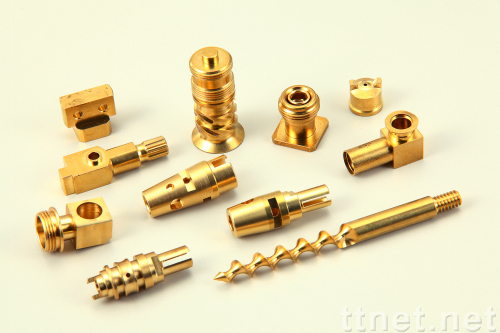
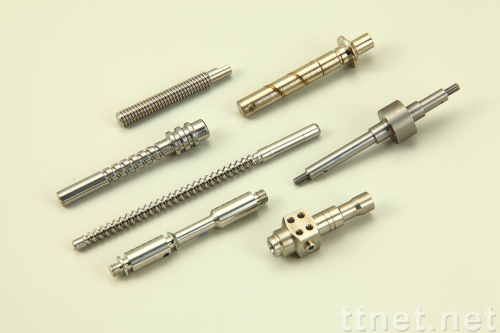
Swiss turning parts
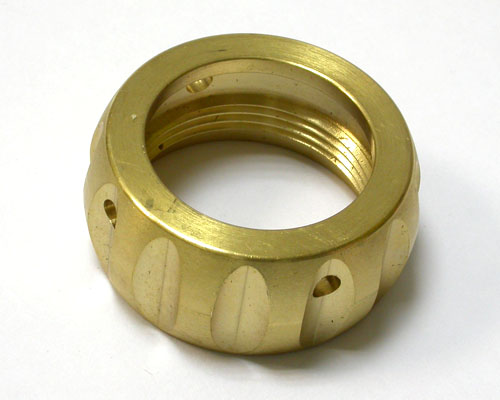 Swiss Turning Parts – Precision Swiss CNC Machined Components Manufacturer in Taiwan
Precision manufacturing continues to play an important role in industries where small dimensions, complex geometries, and reliable repeatability are required. Automotive systems, electronics, medical equipment, industrial machinery, hydraulic systems, and precision assemblies all depend on components that must fit and function consistently.
Swiss turning parts are precision components manufactured using Swiss-type CNC turning technology. This machining method is particularly suitable for small-diameter, long, slender, and complex components that require stable machining conditions and repeatable dimensions.
Jellom Industrial Co., Ltd. is a Taiwan-based precision machining manufacturer specializing in CNC turned parts, custom metal components, precision-machined parts, and OEM machining solutions. We provide customized manufacturing according to customer drawings, materials, tolerances, quantities, and application requirements.
What Are Swiss Turning Parts?
Swiss turning parts are components produced using Swiss-type CNC lathes, also commonly known as Swiss screw machines or sliding-headstock CNC lathes.
Unlike conventional CNC turning, a typical Swiss-type machine feeds bar stock through a guide bushing. The material is supported very close to the cutting area while machining takes place.
This design helps reduce workpiece deflection and makes Swiss turning particularly suitable for:
-
Small-diameter components
-
Long and slender parts
-
Precision shafts
-
Complex turned components
-
High-repeatability production
-
Components requiring multiple machining operations
Depending on machine configuration, Swiss turning can combine turning, drilling, boring, threading, grooving, cross drilling, milling, and parting operations.
Advantages of Swiss Turning Parts
Swiss-type CNC machining offers several advantages when component geometry is suitable for the process.
High Dimensional Consistency
The guide bushing provides support close to the cutting tool, helping reduce vibration and deflection during machining.
This is particularly useful when producing slender components where dimensional stability is important.
Suitable for Small Precision Components
Swiss machines are widely used to produce relatively small precision components.
Parts can include shafts, pins, connectors, fittings, fasteners, bushings, sleeves, and other specialized turned parts.
Multiple Operations in One Process
Modern Swiss CNC machines may incorporate live tooling and additional machining capabilities.
This allows manufacturers to perform several operations within a coordinated production cycle, potentially reducing secondary setups.
Excellent Repeatability
Once CNC programs, tooling, and machining parameters are established, the same component can be produced repeatedly.
This makes Swiss turning suitable for repeat orders and larger production quantities.
Common Types of Swiss Turning Parts
Swiss-type CNC machines can manufacture many types of precision components.
Typical Swiss turning parts include:
-
Precision shafts
-
Pins
-
Bushings
-
Sleeves
-
Spacers
-
Fittings
-
Connectors
-
Adapters
-
Couplings
-
Threaded components
-
Fasteners
-
Valve parts
-
Hydraulic components
-
Pneumatic components
-
Sensor components
-
Electronic hardware
-
Automotive components
-
Precision machinery parts
The appropriate machining method depends on component diameter, length, geometry, material, tolerance, and production quantity.
Custom Swiss Turning Parts
Many industrial projects require components designed specifically for a particular product or machine.
Custom Swiss turning allows customers to manufacture parts according to their own engineering drawings.
Customers can specify:
-
Dimensions
-
Material
-
Material grade
-
Tolerances
-
Thread specifications
-
Surface finish
-
Heat treatment
-
Surface treatment
-
Production quantities
-
Inspection requirements
2D drawings and 3D CAD files can be provided for engineering evaluation.
For OEM customers, custom manufacturing provides greater control over component dimensions and functional requirements.
Materials for Swiss Turning Parts
Swiss CNC machining can process a variety of engineering materials depending on component design and application.
Stainless Steel Swiss Turning Parts
Stainless steel provides strength, durability, and excellent corrosion resistance.
Typical applications include:
-
Industrial equipment
-
Medical equipment
-
Automotive components
-
Fittings
-
Connectors
-
Valves
-
Precision mechanical parts
Different stainless steel grades have different machining characteristics and should be specified during quotation.
Aluminum Swiss Turning Parts
Aluminum combines low weight, corrosion resistance, and good machinability.
It is frequently used for:
-
Electronics
-
Automotive systems
-
Aerospace equipment
-
Automation equipment
-
Precision machinery
-
Lightweight assemblies
Brass Swiss Turning Parts
Brass provides excellent machinability and is commonly used for high-volume precision components.
Typical applications include:
-
Fittings
-
Connectors
-
Bushings
-
Valves
-
Fasteners
-
Electrical components
Copper Swiss Turning Parts
Copper provides excellent electrical and thermal conductivity.
Swiss-turned copper parts may be used for:
-
Electrical terminals
-
Connectors
-
Contacts
-
Electronic components
-
Specialized electrical hardware
Carbon steel, alloy steel, and engineering materials may also be suitable depending on the project.
Swiss Turning Parts for Automotive Applications
Automotive systems contain many small precision components.
Swiss turning can be suitable for:
-
Precision pins
-
Shafts
-
Sensor components
-
Bushings
-
Fasteners
-
Fittings
-
Connectors
-
Valve components
Repeatability is especially valuable where identical parts are required across recurring production quantities.
Swiss Turning Parts for Electronics
Electronic products often require small components with detailed features.
Possible applications include:
-
Electrical contacts
-
Terminals
-
Pins
-
Connectors
-
Threaded inserts
-
Spacers
-
Small housings
-
Precision hardware
Brass and copper are particularly useful for components requiring electrical conductivity, while aluminum and stainless steel may be selected for structural applications.
Swiss Turning Parts for Medical Equipment
Swiss CNC machining is widely associated with precision manufacturing of small components.
Depending on application requirements, possible medical equipment components may include:
-
Precision shafts
-
Pins
-
Connectors
-
Fittings
-
Instrument components
-
Small mechanical components
For medical applications, customers should clearly specify materials, surface requirements, inspection criteria, and any applicable documentation or quality requirements.
Swiss Turning Parts for Industrial Machinery
Industrial equipment may require specialized precision components that are difficult to source as standard products.
Swiss turning can produce:
-
Small shafts
-
Threaded components
-
Precision pins
-
Spacers
-
Bushings
-
Couplings
-
Hydraulic components
-
Pneumatic components
Custom components can be manufactured according to the dimensions and specifications required by the customer's equipment.
Precision and Tolerance Requirements
Precision is one of the primary reasons manufacturers choose Swiss-type machining.
Important dimensions may include:
-
Outside diameter
-
Inside diameter
-
Overall length
-
Hole diameter
-
Thread dimensions
-
Groove dimensions
-
Shoulder dimensions
-
Concentricity
-
Feature position
Actual achievable tolerances depend on component geometry, material, machine capability, tooling, machining conditions, and inspection requirements.
Customers should specify functionally important tolerances on technical drawings.
Prototype and Small-Batch Swiss Turning Parts
Swiss CNC machining can support product development and limited production depending on component requirements.
Prototype parts allow engineers to evaluate:
-
Dimensions
-
Assembly fit
-
Mechanical function
-
Material performance
-
Design feasibility
-
Manufacturing feasibility
After evaluation, CNC programs can be adjusted before moving to larger production quantities.
Mass Production Swiss Turning Parts
Swiss-type CNC machines are particularly well suited to automated bar-stock production.
Once machining programs and tooling are established, manufacturers can repeatedly produce components with consistent specifications.
For higher-volume projects, production can be optimized through:
-
Cycle-time improvement
-
Tooling optimization
-
Material preparation
-
Automated bar feeding
-
Inspection planning
-
Production scheduling
These factors can improve manufacturing efficiency and potentially reduce average unit cost.
Quality Control for Swiss Turning Parts
Precision parts require appropriate inspection procedures.
Depending on customer specifications, inspection may include:
-
Diameter
-
Length
-
Threads
-
Hole dimensions
-
Groove dimensions
-
Concentricity
-
Critical tolerances
-
Surface condition
Quality control begins with accurate customer drawings and clearly identified critical dimensions.
Why Source Swiss Turning Parts from Taiwan?
Taiwan has a mature precision manufacturing ecosystem covering CNC machine tools, metalworking, electronics, automotive components, fasteners, and industrial equipment.
For international buyers, working with a Taiwan precision machining supplier can provide flexibility for custom components, prototype development, repeat orders, and OEM production.
Jellom Industrial Co., Ltd. focuses on precision CNC turning, custom-machined components, and OEM manufacturing solutions for customers requiring specialized metal parts.
Your Swiss Turning Parts Manufacturer in Taiwan
Choosing a supplier for Swiss turning parts should involve more than comparing unit price.
Customers should consider:
-
Precision machining experience
-
Machine capabilities
-
Material expertise
-
Quality control
-
Engineering support
-
Customization capabilities
-
Production flexibility
-
Communication
-
Delivery reliability
If you require custom Swiss turned components, send your drawings, materials, tolerances, quantities, and application requirements for manufacturing evaluation.
Swiss Turning Parts FAQ
1. What are Swiss turning parts?
Swiss turning parts are precision components manufactured using Swiss-type CNC lathes.
In a typical Swiss machining process, bar stock passes through a guide bushing that supports the material close to the cutting area.
This design makes Swiss turning particularly suitable for small, long, slender, and precision components.
2. Why are they called Swiss turning parts?
The term originates from the Swiss-type lathe design historically developed for manufacturing small precision components such as watch parts.
Today, Swiss-type CNC machines are advanced computer-controlled machining systems used in many industries.
The term describes the machining method rather than the country where the parts are manufactured.
3. What is the difference between Swiss turning parts and conventional CNC turned parts?
The primary difference is how the material is supported and fed.
A conventional CNC lathe generally holds the workpiece in a chuck or collet.
A Swiss-type CNC lathe typically feeds bar stock through a guide bushing, supporting the material close to the cutting point.
This configuration can provide advantages for long and slender components.
4. What components can be manufactured by Swiss turning?
Common components include:
-
Shafts
-
Pins
-
Bushings
-
Sleeves
-
Spacers
-
Fittings
-
Connectors
-
Adapters
-
Fasteners
-
Valve components
-
Electronic parts
-
Automotive parts
The suitability of Swiss turning depends on component geometry and production requirements.
5. Are Swiss turning parts only small components?
Swiss turning is particularly associated with small-diameter precision components, but actual size capability depends on the specific machine.
Diameter alone does not determine whether Swiss machining is appropriate.
Length, geometry, material, tolerances, and order quantity should also be considered.
6. Why is Swiss turning suitable for long and slender parts?
Long parts may bend or vibrate during conventional machining.
Swiss-type machines support the material close to the cutting area through a guide bushing.
This reduces the unsupported portion of the workpiece and can help control deflection during machining.
7. What materials can Swiss turning parts be made from?
Common materials include:
-
Stainless steel
-
Carbon steel
-
Alloy steel
-
Aluminum
-
Brass
-
Copper
-
Engineering materials
Material selection depends on mechanical strength, corrosion resistance, weight, conductivity, machinability, and cost.
8. Can Swiss turning produce stainless steel parts?
Yes.
Stainless steel is commonly used for Swiss turned components because of its strength, durability, and corrosion resistance.
Applications can include medical equipment, industrial machinery, automotive components, valves, fittings, and precision hardware.
The required stainless steel grade should be specified when requesting a quotation.
9. Can Swiss turning produce aluminum components?
Yes.
Aluminum is suitable for many precision machining applications.
Its advantages include relatively low weight, corrosion resistance, and good machinability.
Aluminum Swiss turned components may be used in electronics, automotive systems, aerospace equipment, and industrial machinery.
10. Are brass Swiss turning parts available?
Yes.
Brass is well suited to precision turning because of its excellent machinability.
It is commonly used for:
-
Connectors
-
Fittings
-
Bushings
-
Fasteners
-
Valves
-
Electrical components
Material grade should be specified according to the intended application.
11. Can copper be used for Swiss turning parts?
Yes.
Copper is useful for components requiring electrical or thermal conductivity.
Potential applications include:
-
Electrical contacts
-
Terminals
-
Connectors
-
Electronic components
-
Electrical hardware
Machining conditions vary depending on the specific copper alloy.
12. Can Swiss machines produce threaded parts?
Yes.
Swiss-type CNC machines can produce threaded components depending on machine configuration and part design.
Possible operations include internal and external threading.
Customers should specify:
-
Thread type
-
Diameter
-
Pitch
-
Thread length
-
Required tolerance
These details should be included on the technical drawing.
13. Can Swiss turning parts include milled features?
Modern Swiss CNC machines may include live tooling and additional machining capabilities.
Depending on the machine, parts may include:
-
Flats
-
Cross holes
-
Slots
-
Milled features
-
Off-center holes
Combining these operations can reduce the need for separate secondary machining.
14. What tolerances can Swiss turning achieve?
There is no single tolerance that applies to all Swiss turned parts.
Achievable accuracy depends on:
-
Component diameter
-
Length
-
Geometry
-
Material
-
Tooling
-
Machine capability
-
Cutting conditions
-
Inspection method
Required tolerances should be identified on the customer drawing.
15. Can you manufacture custom Swiss turning parts?
Yes, when the component is suitable for the available manufacturing process.
Customers can provide customized drawings specifying dimensions, tolerances, materials, threads, and surface requirements.
Custom manufacturing is particularly useful for OEM products and specialized equipment.
16. What drawing information is required?
A complete drawing should ideally specify:
-
Component dimensions
-
Tolerances
-
Material
-
Material grade
-
Thread specifications
-
Surface finish
-
Critical dimensions
-
Secondary processing
-
Special inspection requirements
Providing a 3D model can also help clarify complex geometry.
17. Can Swiss turning parts be used in automobiles?
Yes.
Possible automotive applications include:
-
Precision pins
-
Shafts
-
Bushings
-
Sensor parts
-
Fittings
-
Connectors
-
Fasteners
-
Valve components
The appropriate material and manufacturing requirements depend on the specific automotive application.
18. Are Swiss turning parts suitable for electronics?
Yes.
Swiss turning is particularly suitable for many small electronic and electrical components.
Applications can include:
-
Contacts
-
Terminals
-
Pins
-
Connectors
-
Threaded inserts
-
Spacers
-
Precision hardware
Brass and copper are commonly selected when electrical conductivity is required.
19. Can Swiss turning parts be used in medical equipment?
Yes, depending on the component and application requirements.
Small precision shafts, pins, connectors, fittings, and other mechanical components may be manufactured using Swiss machining.
Medical projects may require specialized material, surface, inspection, cleanliness, or documentation requirements, which should be defined by the customer.
20. Can Swiss turning manufacture hydraulic parts?
Yes.
Potential hydraulic and pneumatic applications include:
-
Fittings
-
Adapters
-
Valve components
-
Connectors
-
Sleeves
-
Pins
-
Threaded components
Accurate machining is important where components must fit and seal correctly.
21. Are Swiss turning parts suitable for prototypes?
Yes, depending on the project.
Prototype production allows engineers to verify:
-
Dimensions
-
Material
-
Assembly fit
-
Function
-
Manufacturing feasibility
CNC programs can then be modified before repeat production begins.
22. Are Swiss turning parts suitable for mass production?
Yes.
Swiss-type CNC lathes are well suited to automated bar-fed production.
Once machining programs and tooling are established, identical parts can be produced repeatedly.
This can make Swiss machining particularly efficient for medium- and larger-volume projects involving suitable component geometries.
23. What affects the price of Swiss turning parts?
Key cost factors include:
-
Raw material
-
Component diameter
-
Component length
-
Part complexity
-
Tolerances
-
Machining cycle time
-
Tooling
-
Setup requirements
-
Production quantity
-
Secondary processing
-
Inspection requirements
Complete engineering drawings allow manufacturers to prepare more accurate quotations.
24. Does a larger order quantity reduce the unit price?
In many projects, larger production quantities can reduce average unit cost.
Initial programming, machine setup, tooling, and process development costs can be distributed across more parts.
Automated production may also improve manufacturing efficiency.
However, material and machining costs remain important factors.
25. How are Swiss turning parts inspected?
Inspection depends on customer specifications.
Common measurements include:
-
Outside diameter
-
Inside diameter
-
Overall length
-
Hole dimensions
-
Threads
-
Groove dimensions
-
Concentricity
-
Critical tolerances
Inspection procedures should focus particularly on dimensions that affect assembly and component function.
26. What secondary treatments can be applied to Swiss turning parts?
Depending on the material and application, secondary processes may include:
-
Deburring
-
Polishing
-
Grinding
-
Heat treatment
-
Anodizing
-
Plating
-
Passivation
-
Surface coating
All secondary processing requirements should be specified during quotation.
27. What industries use Swiss turning parts?
Swiss turned components are used across many precision manufacturing industries, including:
-
Automotive
-
Electronics
-
Medical equipment
-
Aerospace
-
Industrial machinery
-
Automation equipment
-
Hydraulic systems
-
Pneumatic equipment
The machining process is especially useful where small dimensions, complex features, and repeatability are important.
28. What are the main advantages of Swiss turning?
Important advantages can include:
-
Support for slender components
-
High repeatability
-
Precision machining
-
Automated bar feeding
-
Multiple machining operations
-
Reduced secondary handling
-
Suitability for complex small parts
-
Efficient repeat production
The exact benefits depend on component design and machine configuration.
29. How do I choose a Swiss turning parts supplier?
Important supplier selection factors include:
-
Swiss CNC machining experience
-
Equipment capabilities
-
Material expertise
-
Quality-control procedures
-
Custom machining capabilities
-
Engineering support
-
Production capacity
-
Delivery performance
-
Communication
A capable manufacturer should first evaluate whether Swiss turning is the appropriate manufacturing process for the customer's component.
30. Why choose a Taiwan Swiss turning parts manufacturer?
Taiwan has a well-established precision manufacturing industry supported by CNC machine tools, metalworking suppliers, electronics manufacturers, automotive component suppliers, and industrial machinery companies.
This manufacturing ecosystem makes Taiwan a practical sourcing location for international buyers requiring custom precision components and OEM production.
31. What should I provide when requesting a Swiss turning parts quotation?
For an accurate quotation, customers should provide:
-
2D engineering drawing
-
3D CAD file if available
-
Material and grade
-
Required quantity
-
Dimensional tolerances
-
Thread specifications
-
Surface finish
-
Secondary processing requirements
-
Inspection requirements
-
Estimated annual demand
Providing complete technical information allows the manufacturer to evaluate machining feasibility and production cost more accurately.
32. How can I order custom Swiss turning parts?
Send Jellom Industrial Co., Ltd. your engineering drawings and project specifications for evaluation.
Include the required material, quantity, tolerances, threads, surface treatment, secondary processes, and inspection requirements whenever possible.
The project can then be evaluated to determine the appropriate precision machining method for prototype, small-batch, or repeat production.
Looking for a reliable Swiss turning parts manufacturer in Taiwan? Send us your drawings and specifications for manufacturing evaluation and quotation.